

WordPress vs Webflow: the definitive comparison for your projects in 2026
In 2026, the CMS battle is no longer about features, but about experience. Today, the question is no longer simply to “create a site”, but to build an efficient, scalable and secure platform. Whether for a high-end showcase site or a more complex institutional site, the duel WordPress vs Webflow remains at the heart of digital strategies.
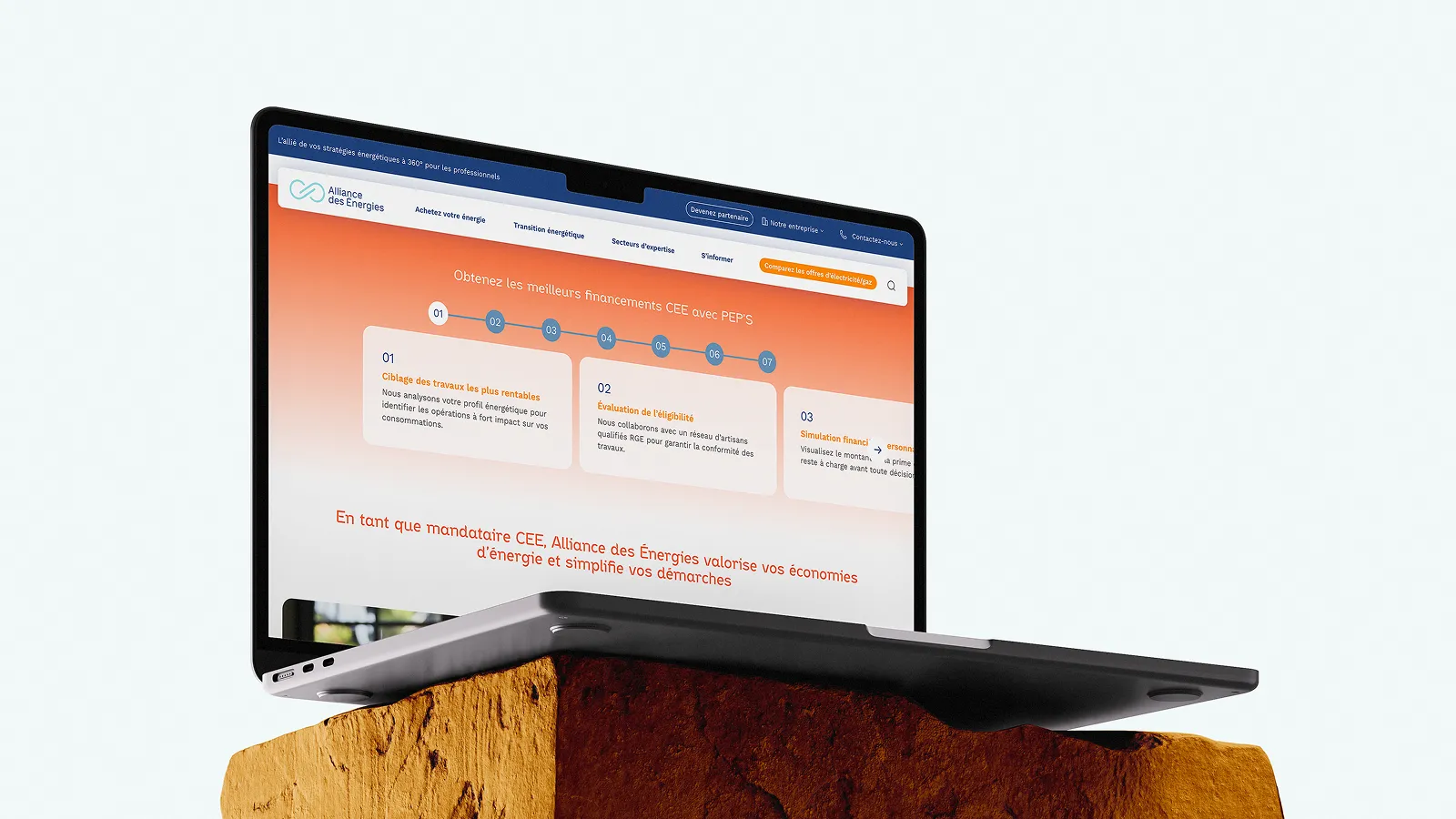
WordPress: the limitless open source ecosystem
WordPress remains the undisputed market leader, powering more than 40% of the global web. Its philosophy is based on total openness. As an open source tool, it allows absolute customization thanks to millions of plugins and an inexhaustible developer community.
The power of the ecosystem and SEO
One of the major advantages of WordPress lies in its ability to manage massive content. For a large-scale blog or a complex institutional site, the editor offers impressive layout flexibility. In addition, with specific tools, optimization for natural referencing remains extremely effective.
The other side of the coin: maintenance
Freedom has a price: that of vigilance. A WordPress site requires a WordPress maintenance rigorous. Stacking plugins can create security holes or slow performance if hosting and code are not optimized by experts. This is where a professional approach makes a difference.
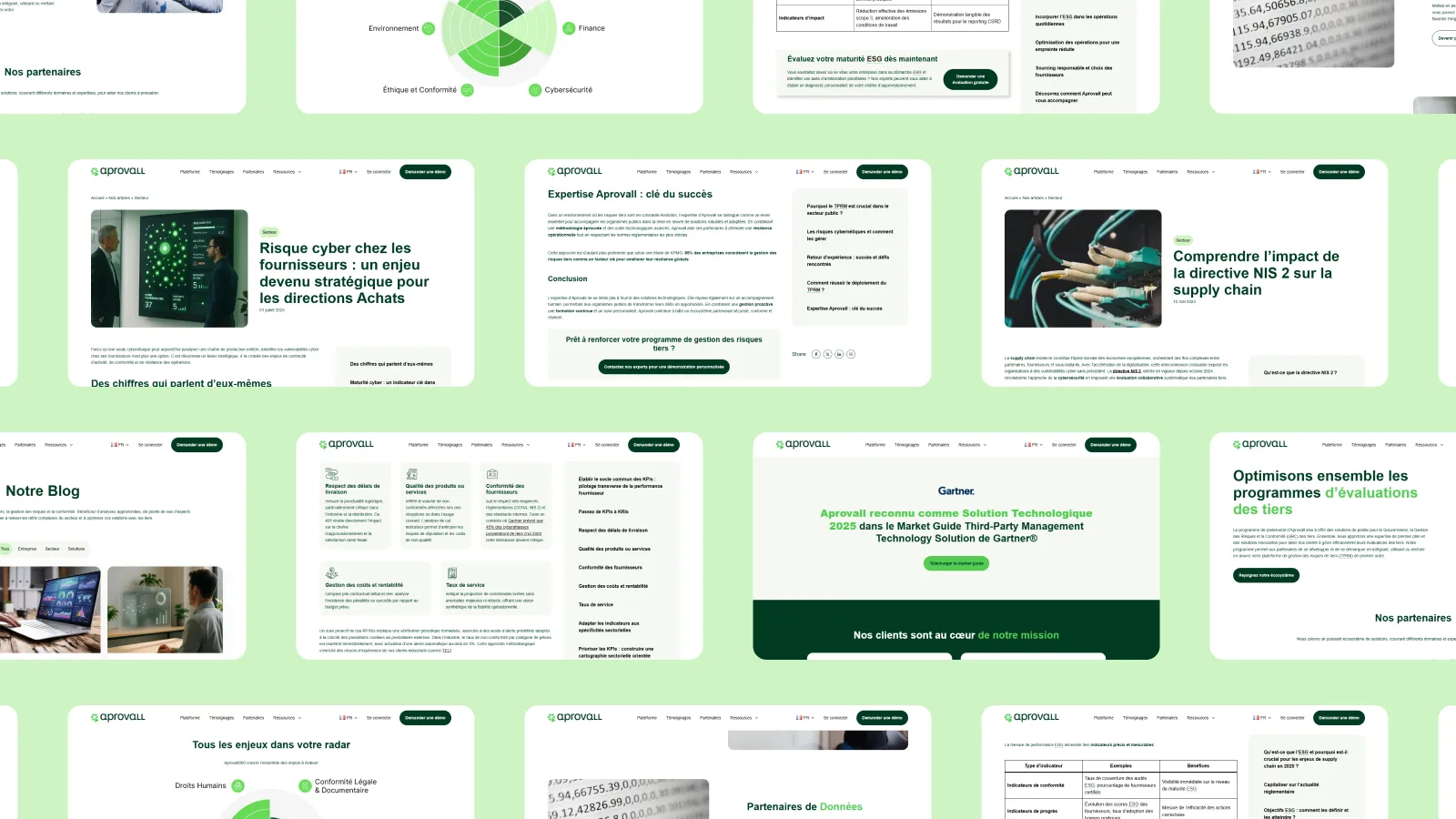
Webflow: the excellence of design and clean code
If WordPress is distinguished by its modularity, Webflow stands out for its creativity and its technical performance. Unlike traditional “closed” systems, it offers total creative freedom while generating an exemplary clean code.
Absolute visual control
Webflow allows to improve your online presence by removing the barriers between design and development. Each interaction, each animation is managed natively, without a third party plugin. Result? Ultra-fast sites, secure by default (closed SaaS ecosystem) and a fluid user experience (UX) that immediately seduces premium brands.
Safety and serenity
The major advantage of Webflow in 2026 remains its centralized management. Hosting is included, updates are seamless, and the risk of being hacked via outdated extensions is almost zero. It is the choice of peace of mind for companies that want to focus on their message rather than on technology.
So how to choose between these two CMS in 2026?
To help you decide between WordPress and Webflow, here are the decision criteria that we apply at Axome:
- Choose WordPress if: You need a site with a high volume of content, very specific business functionalities (via API or custom dev) or if you manage a complex ecosystem requiring total ownership of the hosting.
- Choose Webflow if: You are aiming for a premium web design, complex animations, and optimal loading performance right from launch. It is the ideal tool for showcase sites, product launches and brands that want to make an impression with their visual identity.
Conclusion: the tool at the service of your strategy
Beyond the technical specifications, your choice must above all meet your business objectives. In 2026, the priority remains SEO visibility, accessibility and the effectiveness of your conversions.
At Axome, our mastery of these environments ensures that technology is never an obstacle to your ambitions. Whether you opt for the flexibility of WordPress or the visual precision of Webflow, we guide you to the most efficient solution for your brand.
Are you still hesitating about which technology to adopt for your redesign?